What’s on the Menu | A 7-Day Meal Plan for Your Little One
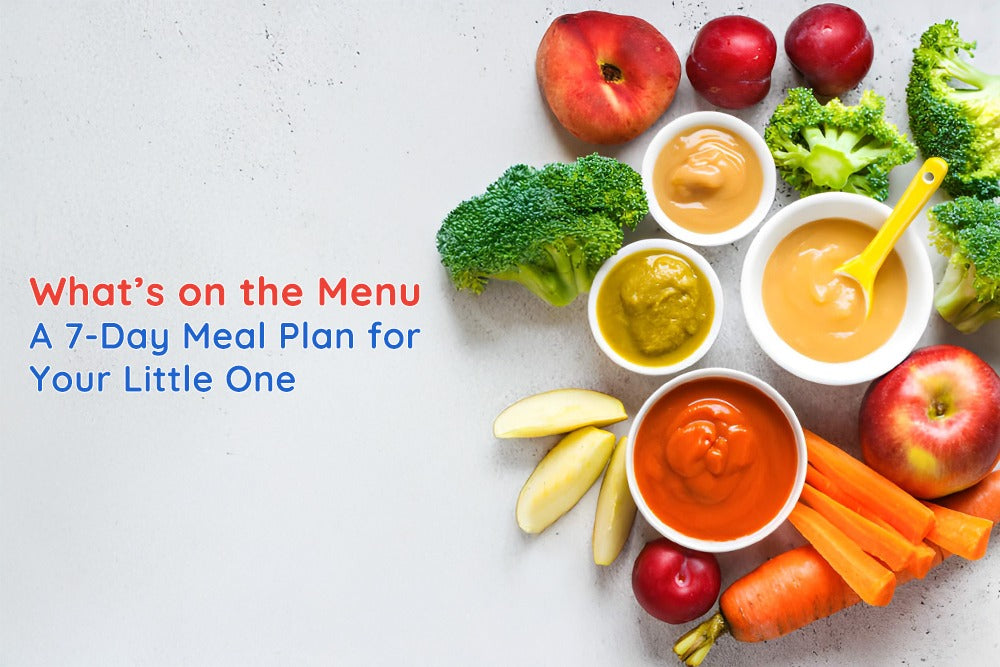
As parents, we understand the importance of providing our little ones with a balanced and nutritious diet. Proper nutrition is crucial for their growth, development, and overall well-being. That's why we've curated a 7-day meal plan to help you navigate the world of feeding your baby with ease and confidence.
Day 1: Kickstarting Healthy Eating
Starting the week off right, let's focus on a well-rounded breakfast. Consider offering a combination of pureed fruits, such as bananas or apples, mixed with a small amount of infant cereal. This provides a good source of carbohydrates, vitamins, and minerals to fuel your baby's energy throughout the morning.
For lunch, you can introduce a savory option, such as a pureed vegetable like sweet potatoes or butternut squash, mixed with a touch of breast milk or formula to create a smooth, creamy texture. Pair this with a small serving of cooked, mashed chicken or fish to ensure your little one is getting a good source of protein.
In the evening, you can offer a simple dinner of pureed or mashed vegetables, such as peas or green beans, combined with a small amount of whole-grain infant cereal. This balanced meal will help your baby's digestive system adjust to new flavors and textures.
Day 2: Nutrient-Rich Meals
On the second day, let's focus on creating nutrient-dense meals. For breakfast, try a combination of pureed fruits, such as pears or peaches, mixed with a spoonful of plain, unsweetened yogurt. This provides a good source of protein, calcium, and probiotics to support your baby's gut health.
At lunchtime, offer a pureed or mashed protein-rich dish, such as lentils or chickpeas, combined with a variety of cooked, mashed vegetables, like carrots and spinach. This well-rounded meal will ensure your little one is getting a good balance of macronutrients and essential vitamins and minerals.
For dinner, you can introduce a new protein source, such as ground turkey or beef, mixed with cooked, mashed sweet potatoes and a small serving of steamed broccoli. This meal will provide a range of nutrients, including iron, vitamin A, and fiber, to support your baby's growth and development.
Day 3: Exploring New Flavors
On the third day, let's venture into the world of new flavors and textures. For breakfast, you can offer a combination of pureed fruits, such as mango or kiwi, mixed with a small amount of infant oatmeal. This introduces your baby to different tastes and helps them develop their palate.
At lunchtime, try a pureed or mashed dish featuring a combination of proteins, such as tofu or tempeh, along with a variety of cooked, mashed vegetables, like zucchini and bell peppers. This meal will expose your little one to a range of flavors and textures, preparing them for more diverse food experiences.
For dinner, you can offer a pureed or mashed meal featuring a new protein source, such as lamb or salmon, combined with cooked, mashed root vegetables, like parsnips or rutabaga. This meal will provide a unique flavor profile and introduce your baby to a wider variety of nutrients.
Day 4: Homemade vs. Store-bought
On the fourth day, let's explore the benefits of homemade meals versus store-bought options. For breakfast, you can prepare a simple pureed fruit compote, using a combination of fresh or frozen berries, such as blueberries and raspberries, mixed with a touch of water or breast milk. This homemade option provides more control over the ingredients and ensures your baby is getting a nutrient-dense start to the day.
At lunchtime, you can offer a homemade pureed or mashed meal featuring a combination of cooked, diced chicken or turkey, along with a variety of steamed, mashed vegetables, like broccoli and cauliflower. Compared to store-bought options, this homemade meal will likely have a higher nutrient content and fewer additives.
For dinner, you can introduce a store-bought, pre-made baby food option, such as a pureed or mashed meal featuring a combination of proteins and vegetables. While convenient, it's important to compare the nutritional values and ingredient lists to ensure you're providing a balanced and healthy meal for your little one.
Day 5: Dealing with Picky Eaters
On the fifth day, let's address the common challenge of picky eaters. For breakfast, you can offer a pureed or mashed meal featuring a combination of fruits and vegetables, such as spinach and pears or sweet potatoes and apples. To make it more appealing, you can try presenting the meal in a fun, creative way, such as using a silicone mold to create shapes or patterns.
At lunchtime, you can introduce a new protein source, such as ground beef or lamb, mixed with cooked, mashed vegetables, like zucchini and bell peppers. If your baby is hesitant to try the new flavors, you can try mixing a small amount of the new food with a familiar favorite, like pureed sweet potatoes or applesauce, to ease the transition.
For dinner, you can offer a pureed or mashed meal featuring a combination of proteins, such as lentils or chickpeas, along with a variety of cooked, mashed vegetables, like broccoli and carrots. If your baby is still hesitant, you can try offering the meal in smaller, more manageable portions, or incorporate it into a familiar dish, like a vegetable-based soup or stew.
Day 6: Allergies and Dietary Restrictions
On the sixth day, let's address the important considerations of food allergies and dietary restrictions. For breakfast, you can offer a pureed or mashed meal featuring a combination of hypoallergenic fruits, such as pears or peaches, mixed with a small amount of unsweetened, dairy-free yogurt or a plant-based milk alternative, like almond or oat milk.
At lunchtime, you can introduce a pureed or mashed meal featuring a protein source that is safe for your baby's dietary needs, such as tofu or chickpeas, combined with a variety of cooked, mashed vegetables, like zucchini and bell peppers. Be mindful of any known allergies or sensitivities and adjust the ingredients accordingly.
For dinner, you can offer a pureed or mashed meal featuring a new protein source, such as ground turkey or lamb, along with a selection of cooked, mashed vegetables, like sweet potatoes and spinach. Again, ensure that the ingredients are safe for your baby's dietary requirements and avoid any potential allergens.
Day 7: Maintaining Consistency
On the final day of the week, let's focus on maintaining consistency and long-term nutrition goals. For breakfast, you can offer a familiar pureed or mashed meal featuring a combination of fruits and infant cereal, such as bananas and oatmeal or apples and rice cereal. This familiar option will provide a comforting start to the day and help reinforce healthy eating habits.
At lunchtime, you can introduce a new protein source, such as ground pork or fish, mixed with a variety of cooked, mashed vegetables, like carrots and peas. This meal will continue to expose your baby to a range of flavors and textures, while also providing a well-balanced and nutritious option.
For dinner, you can offer a pureed or mashed meal featuring a combination of proteins, such as lentils and ground beef, along with a selection of cooked, mashed vegetables, like broccoli and sweet potatoes. This meal will help you track your baby's progress and make any necessary adjustments to the meal plan to ensure they are receiving the optimal nutrition for their growth and development.
Conclusion
By following this 7-day meal plan, you can provide your little one with a diverse and balanced diet that supports their overall health and well-being. Remember, every baby is unique, so feel free to adjust the plan as needed to cater to your child's preferences and dietary requirements. Consistency, patience, and a willingness to explore new flavors and textures are key to fostering a healthy relationship with food from an early age. Bon appétit, and happy feeding!
Explore the Dezine Kids website for more baby feeding essentials.
-
Posted in
meal plan